foundation repair in Knoxville, TN
Stop Foundation Damage Before It Spreads
Get a free written inspection within 24 hours. No pressure, no scare tactics. Just a clear assessment of what your Knoxville home actually needs.
- Free written inspection
- 25-yr transferable warranty
- No obligation
Free written inspection within
24 hours
Engineer's letter on pier work
Included
Standard structural warranty
25 years, transferable
Service area
Knoxville, TN metro and surrounding suburbs
Quotes
Itemized in writing, no lump sums
Obligation after inspection
None
Foundation Repair Services in Knoxville, TN
We solve every foundation repair problem in Knoxville
Our foundation repair services in Knoxville cover everything from hairline cracks in block walls to major settlement requiring steel piers.
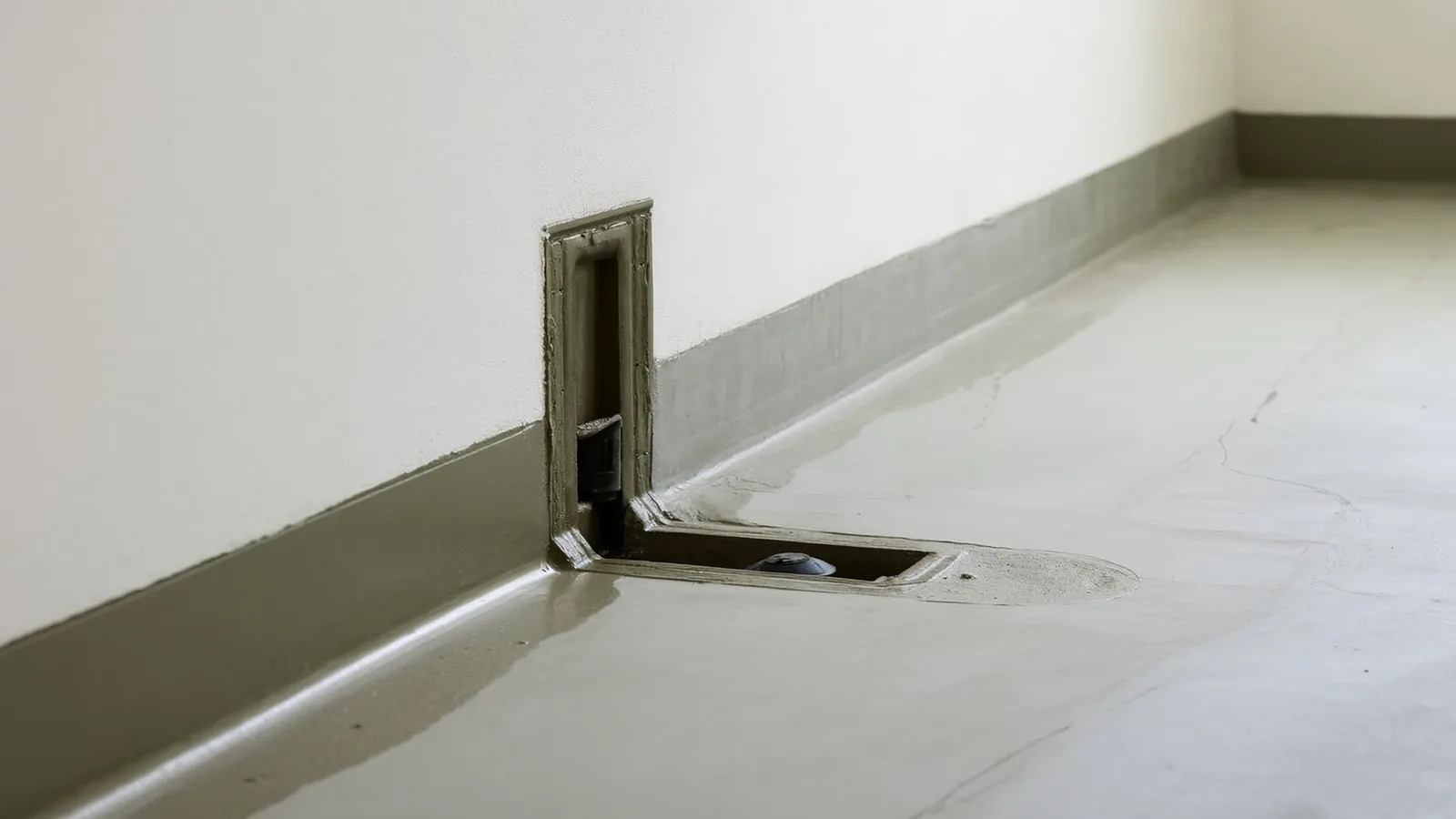
Basement waterproofing
Basement waterproofing stops water intrusion through walls and floors by redirecting hydrostatic pressure away from your living space. In Knoxville, Knox County karst limestone geology and nearly 48 inches of annual rainfall make wet basements a common and serious problem. Interior drainage systems, wall membranes, and sump pumps are the core tools, chosen based on where and how water is entering.
Learn more →
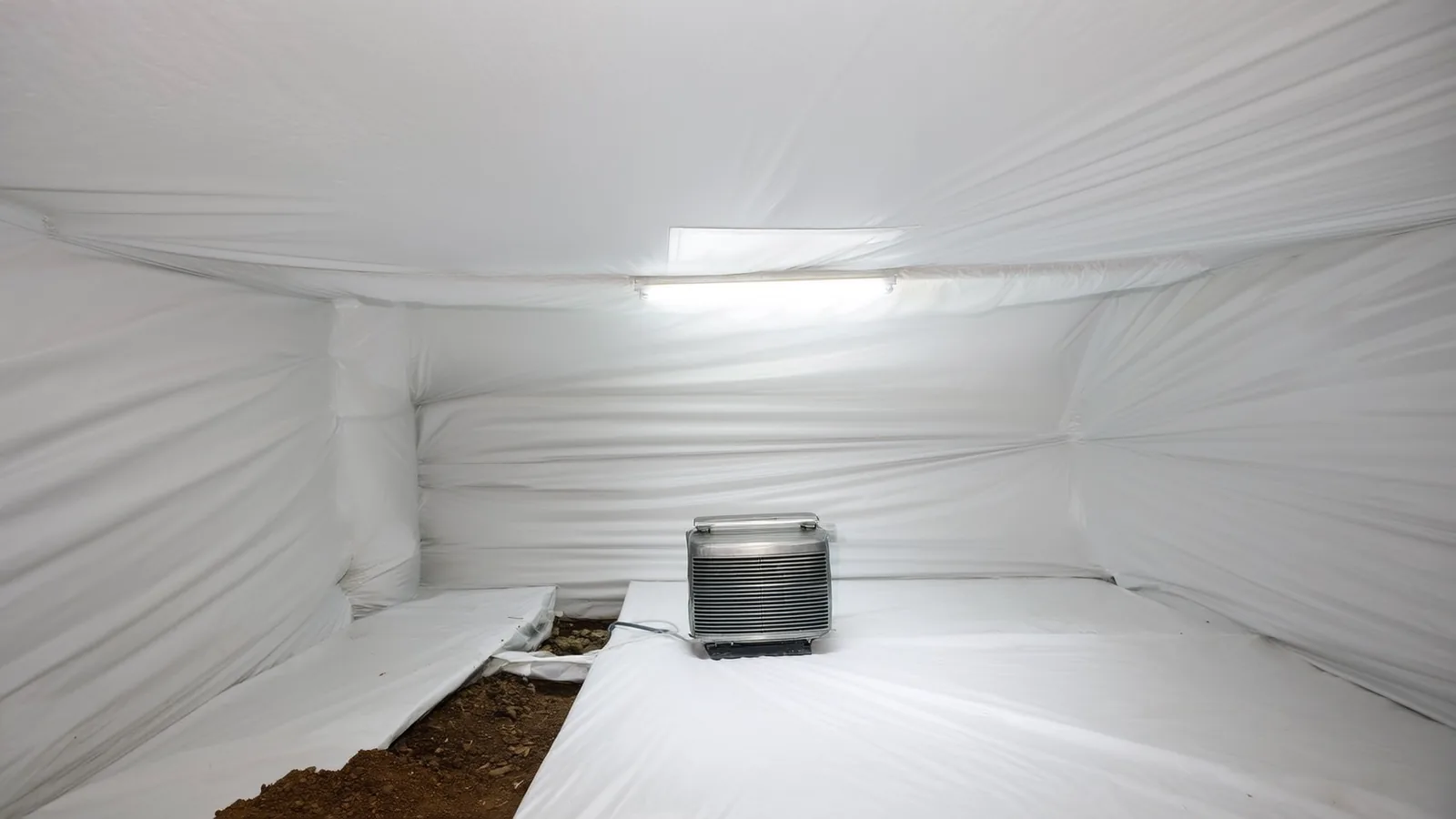
Crawl space repair
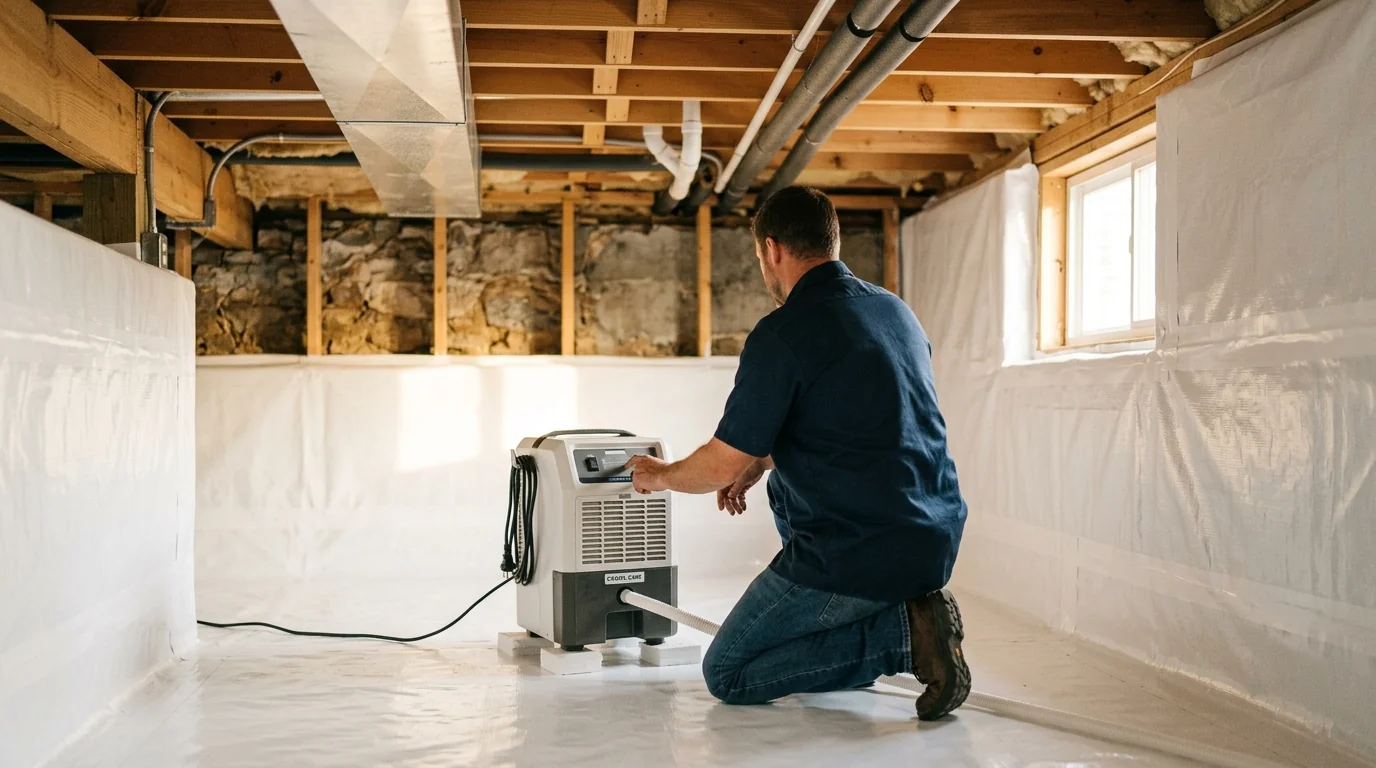
Crawl space repair addresses moisture intrusion, wood rot, sagging floors, and structural deterioration beneath pier-and-beam homes. In Knoxville, where Valley-and-Ridge terrain and karst limestone soils create persistent drainage challenges, most pre-2000 homes with crawl spaces need some level of moisture control or structural reinforcement. Solutions range from vapor barriers and encapsulation to sister joists, beam replacement, and new support columns.
Learn more →
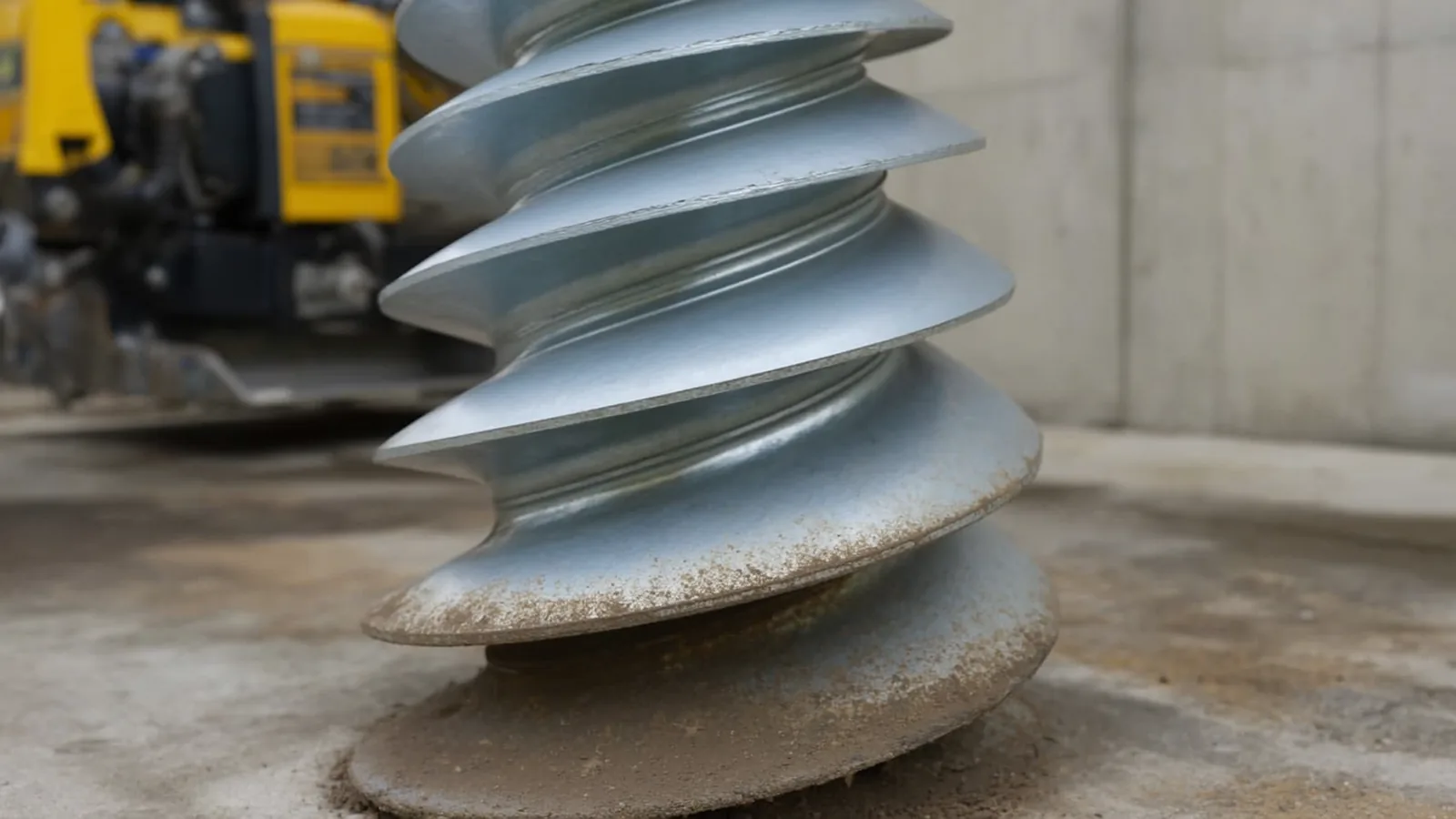
Helical piers
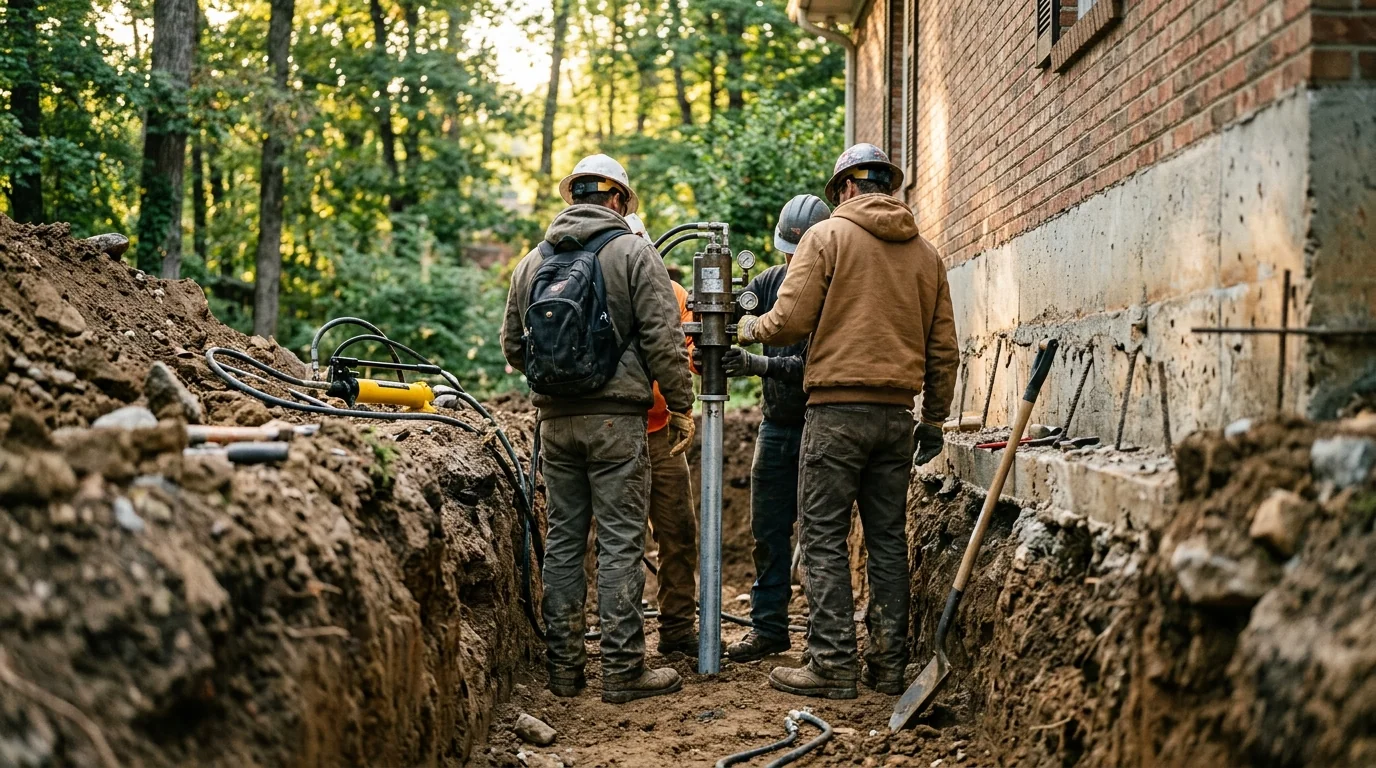
Helical piers are steel shafts with helical plates that screw into stable soil or bedrock, transferring a settling foundation's load past weak or unstable material above. In Knox County, where karst limestone geology creates sinkhole risk alongside shrink-swell clay, they are frequently the recommended underpinning method. Installation is fast, minimally disruptive, and does not require large excavation equipment.
Learn more →
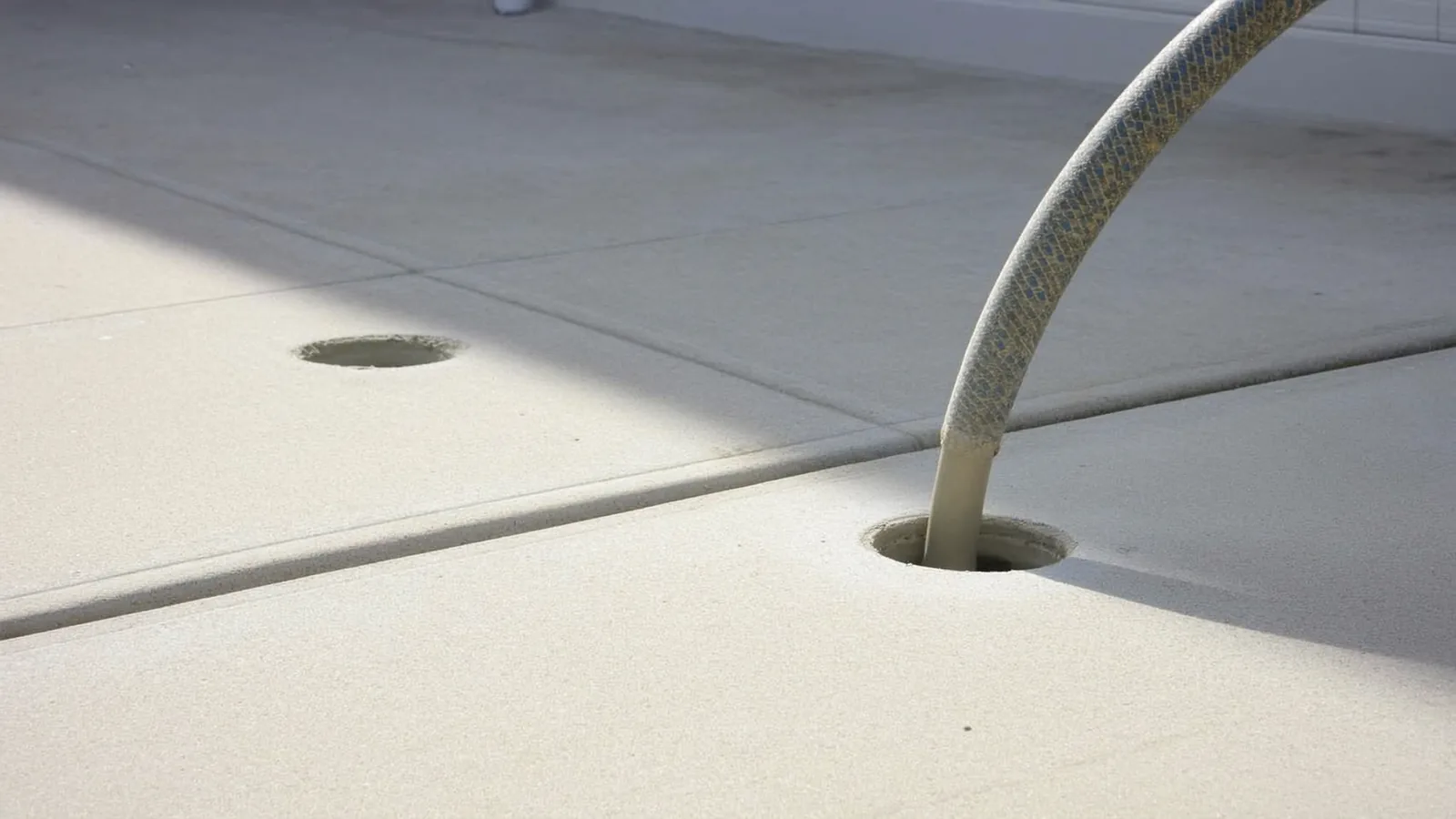
Mudjacking
Mudjacking fills voids beneath sunken concrete slabs by pumping a cement-soil slurry through drilled holes, lifting the slab back to grade. It works best on driveways, sidewalks, and garage floors where deep underpinning is not required. In Knoxville, where karst limestone soils can shift and clay-rich valley positions create uneven bearing, mudjacking is a cost-effective option for shallow slab settlement on stable ground.
Learn more →
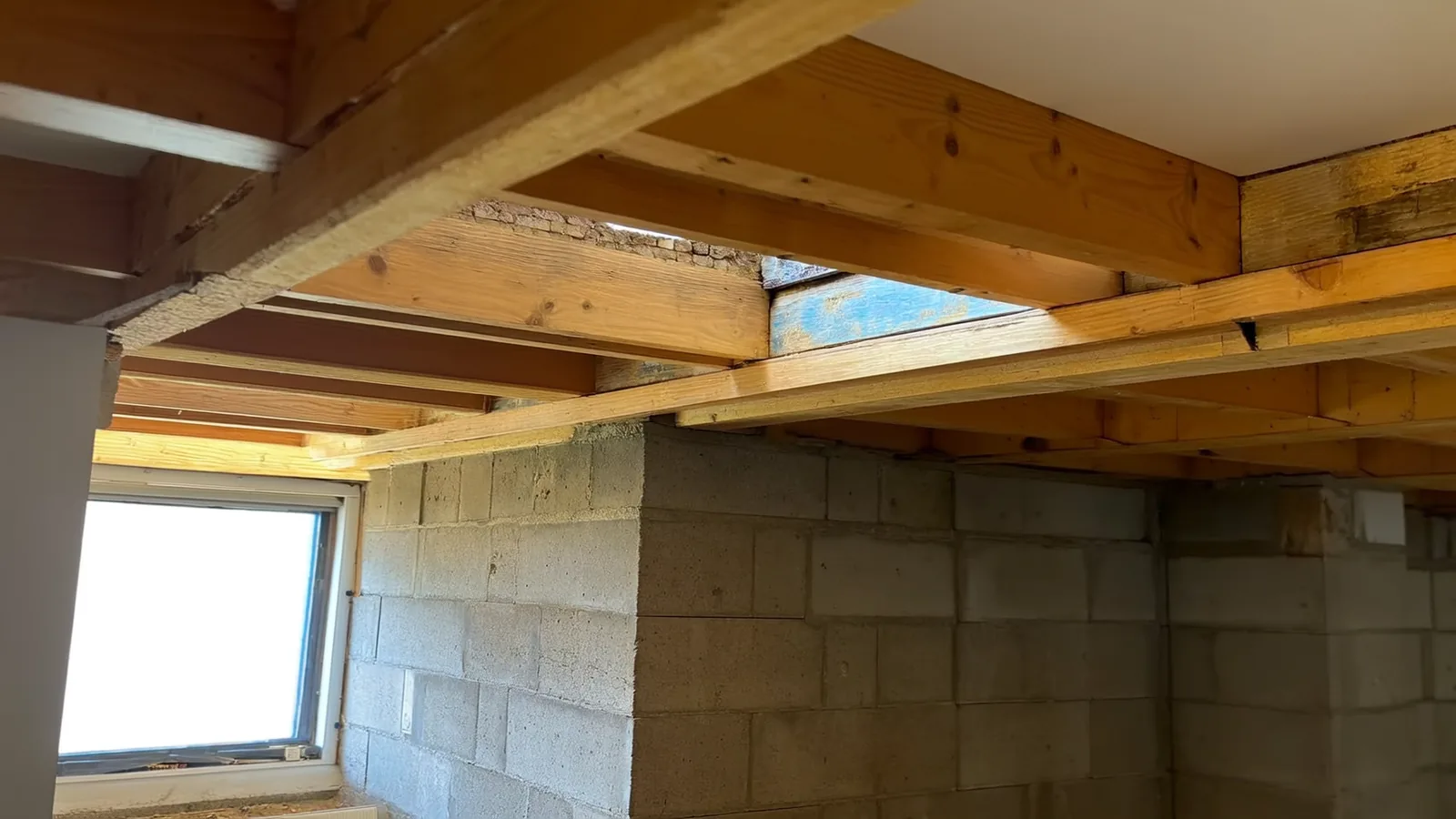
Pier and beam repair
Pier and beam repair restores the wood post-and-beam substructure found under most pre-2000 Knoxville homes, correcting sagging floors, rotted sill plates, and settled piers. Knox County crawl space foundations face a dual threat from moderate-to-high shrink-swell clay and karst limestone voids. Repair costs typically run $1,000 to $3,000 per pier according to Bob Vila.
Learn more →
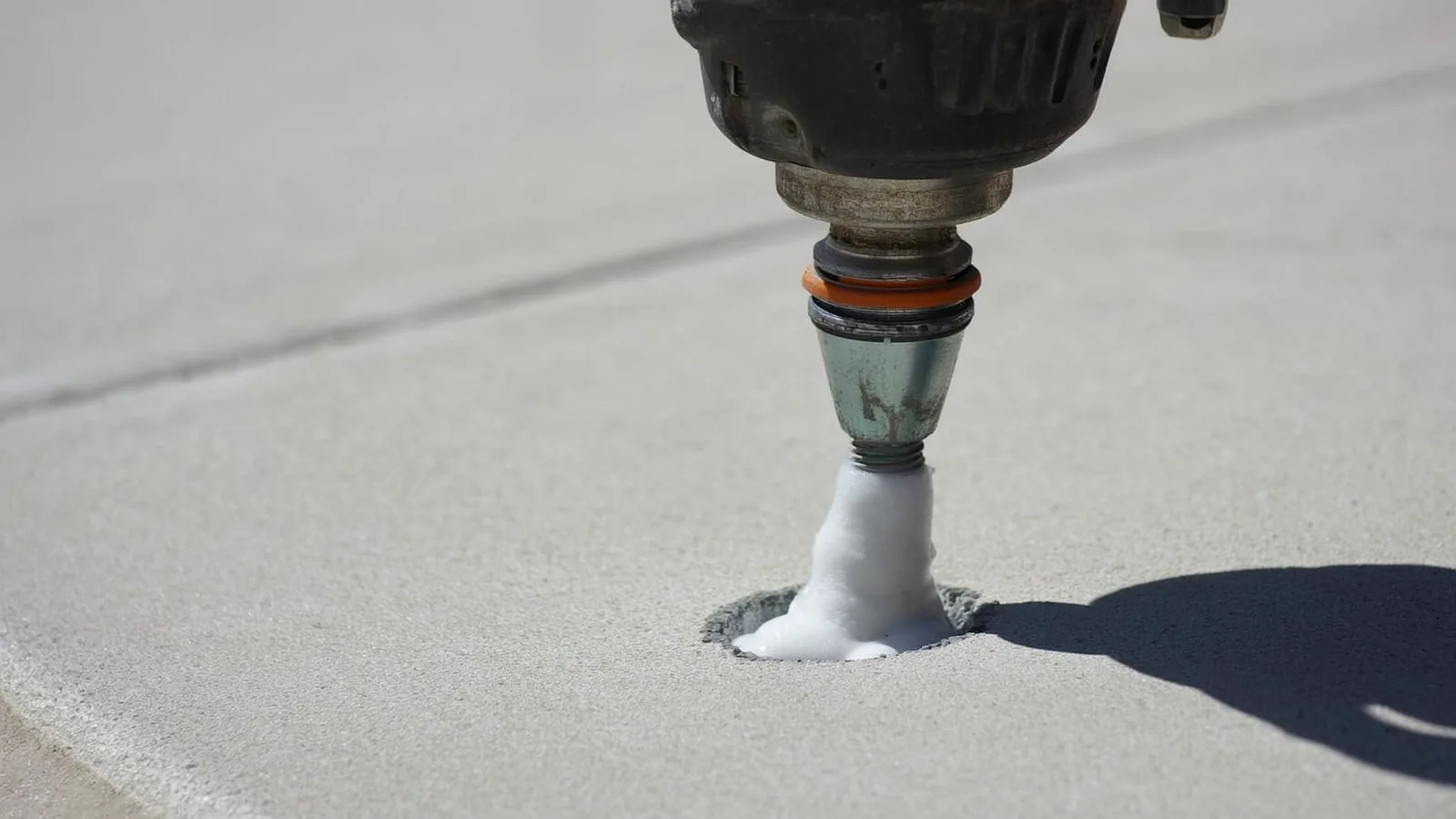
Polyurethane foam leveling
Polyurethane foam leveling injects expanding two-part foam beneath settled concrete slabs to lift, fill voids, and stabilize the surface. It is faster and less invasive than mudjacking, with smaller injection holes and a cure time measured in minutes. For Knox County homeowners dealing with sunken driveways, walkways, or garage floors, it is often the fastest path to a stable surface.
Learn more →
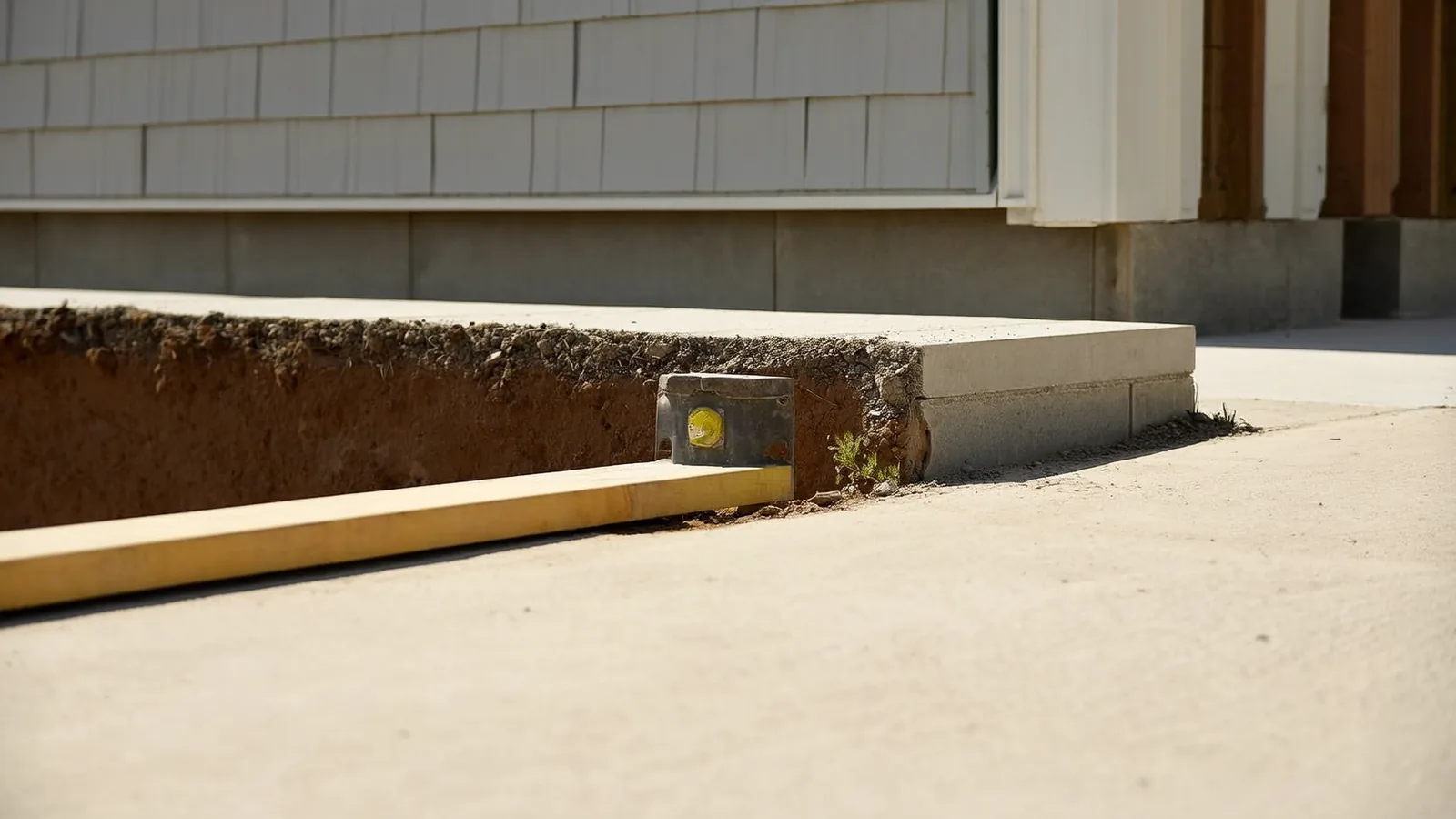
Slab foundation repair
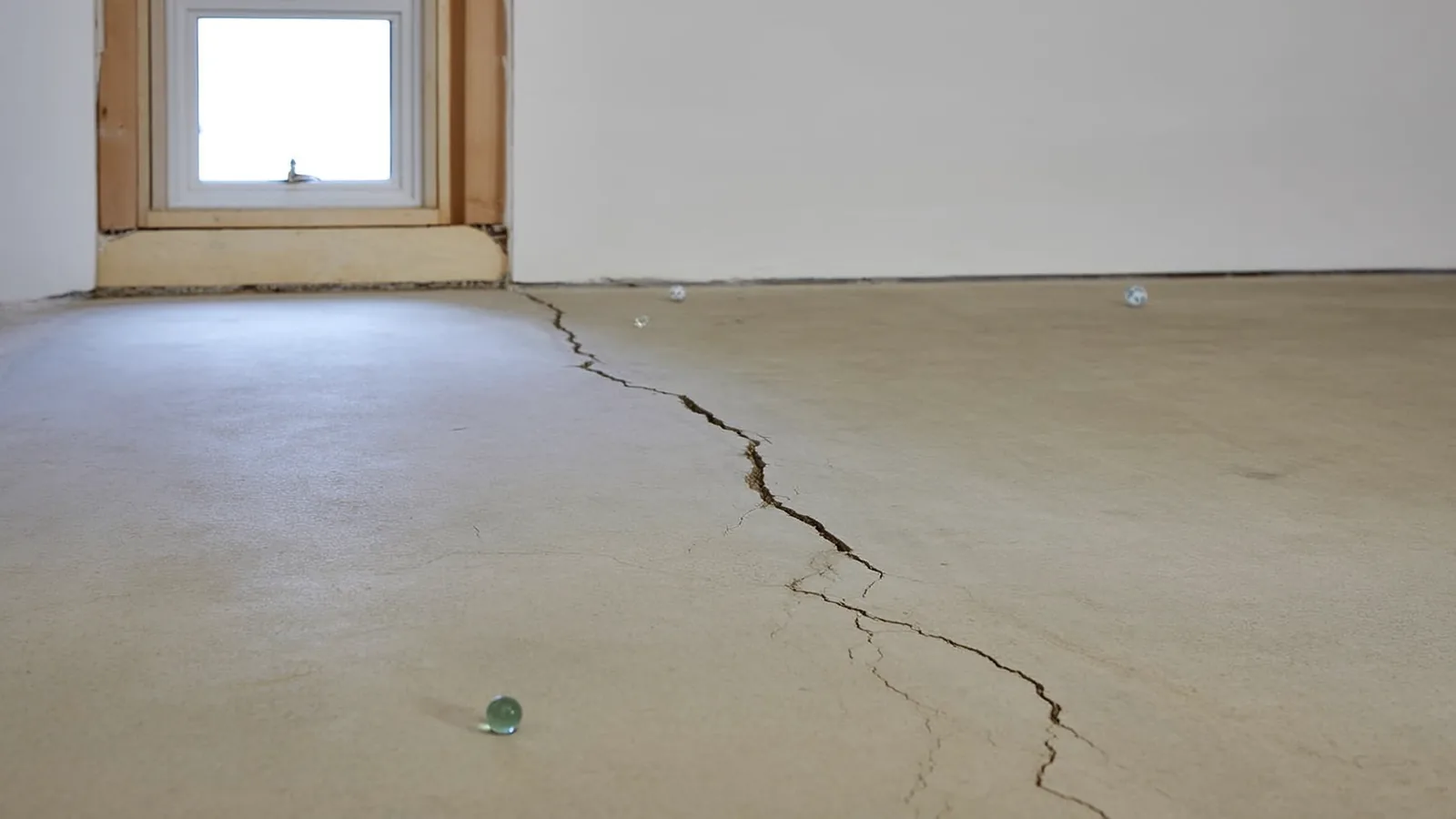
Slab foundation repair addresses settling, cracking, and voids beneath concrete slab foundations using methods like piering, polyurethane foam injection, or slabjacking. In Knox County, karst limestone geology and shrink-swell clay soils create specific risks that influence which repair method fits best. Getting the diagnosis right before choosing a method saves time and money.
Learn more →
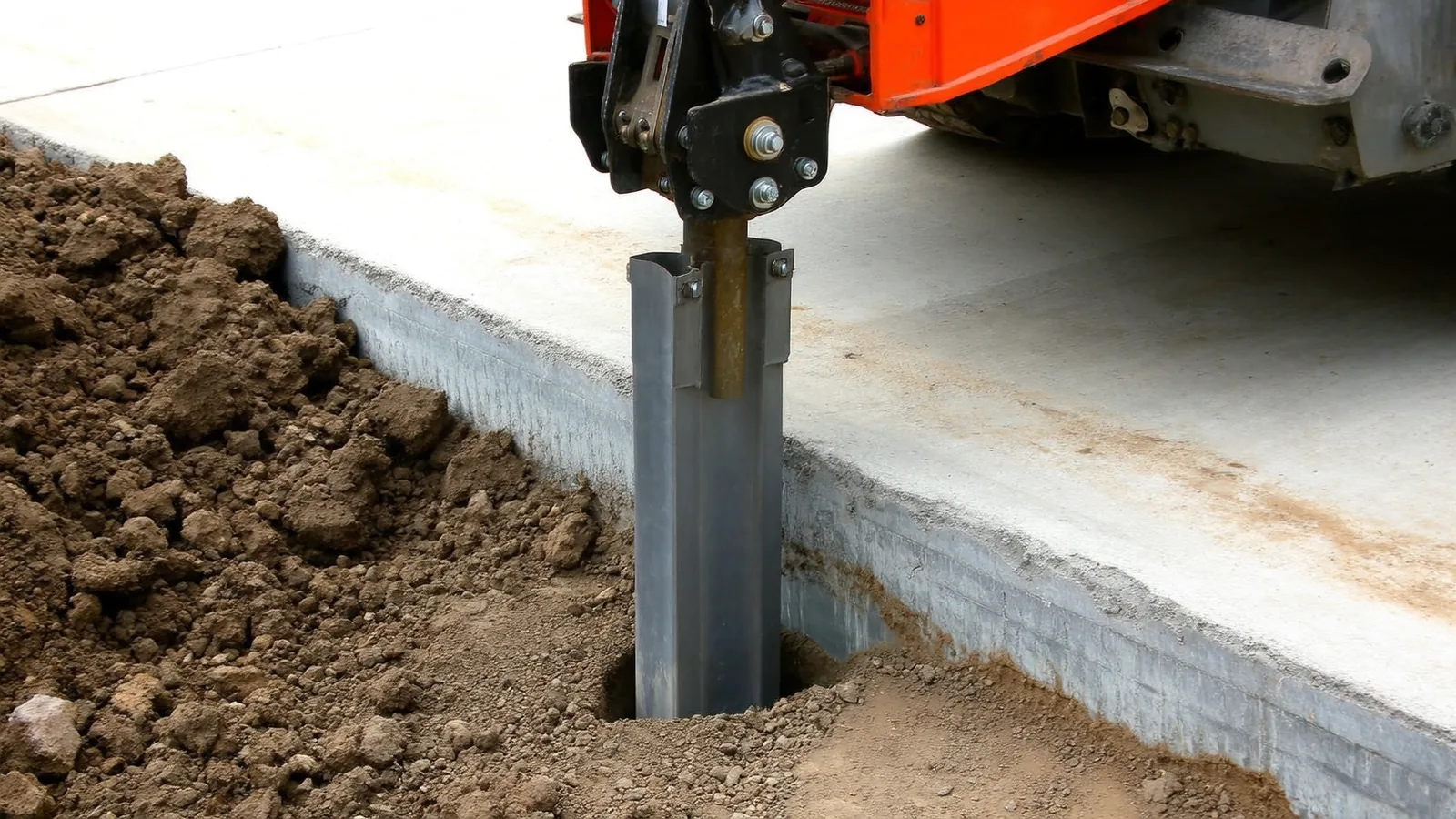
Steel push piers
Steel push piers are hydraulically driven steel sections pushed through unstable soil until they reach load-bearing bedrock or dense strata, then used to lift and stabilize a settling foundation. They are a proven underpinning method for heavier structures on soft or void-prone soil. In Knox County, where karst limestone sits beneath silty clay, push piers are frequently specified when a foundation needs firm bedrock contact.
Learn more →
The short version
Why homeowners across Knoxville start here
When your Knoxville home shows signs of foundation movement, the right first move is a free, no-obligation inspection from a contractor who will put everything in writing. Best Foundation Repair Knoxville connects homeowners across the metro with qualified local contractors who understand the region’s expansive clay soil, older housing stock, and the specific drainage patterns that make East Tennessee foundations move the way they do.
Most foundation issues in this market trace back to clay soil that swells with spring rains and then contracts during dry summers. Homes built before 1980, which make up a large share of Knoxville’s single-family stock, often have foundations that were never engineered to handle decades of that cycle. The good news is that most problems, caught at the right stage, are repairable without tearing out a slab or rebuilding a crawl space from scratch.
The contractors in this network do not charge for initial inspections, do not use lump-sum estimates, and do not pressure homeowners to sign on the spot. Every quote breaks out method, materials, labor, and applicable permit costs under Tennessee’s building code. Pier and structural work includes an engineer’s letter. Warranties on structural repairs are transferable, which matters when you eventually sell. See what the full range of foundation problems looks like before your inspection so you can ask the right questions.
If you have already noticed sticking doors, diagonal wall cracks, or a floor that has developed a noticeable slope, do not wait for the next wet season to make it worse. Request your free written inspection today and have a clear picture of your foundation’s condition within 24 hours.
WHAT WE DO
Honest foundation repair quotes for Knoxville homeowners
Foundation problems rarely announce themselves dramatically. More often, you notice a door that sticks, a crack tracing the corner of a window frame, or a floor that feels softer than it used to. By the time those signs appear, the soil underneath your home has usually been moving for months or years.
This site exists to make the next step straightforward. You fill out one short form, and licensed foundation repair contractors serving the Knoxville metro will contact you to schedule a free on-site inspection. Every quote you receive is written and itemized, so you can compare methods, materials, and warranties side by side without guessing.
According to Bob Vila, foundation repair costs nationally range from $2,176 to $7,833, with the average job landing around $5,001. Pier installation runs $1,000 to $3,000 per pier, while crack repair typically falls between $250 and $800 per crack. Your actual cost depends on your foundation type, the extent of movement, and soil conditions at your specific address. A written inspection is the only honest way to know where you stand. See a full breakdown of what repairs cost.
You are under no obligation to book work after an inspection. The contractors in this network operate on the belief that an informed homeowner makes a better long-term client than a pressured one.
HOW IT WORKS
How we work
The process has four stages, and none of them involve high-pressure sales calls.
- 1
Submit your request.
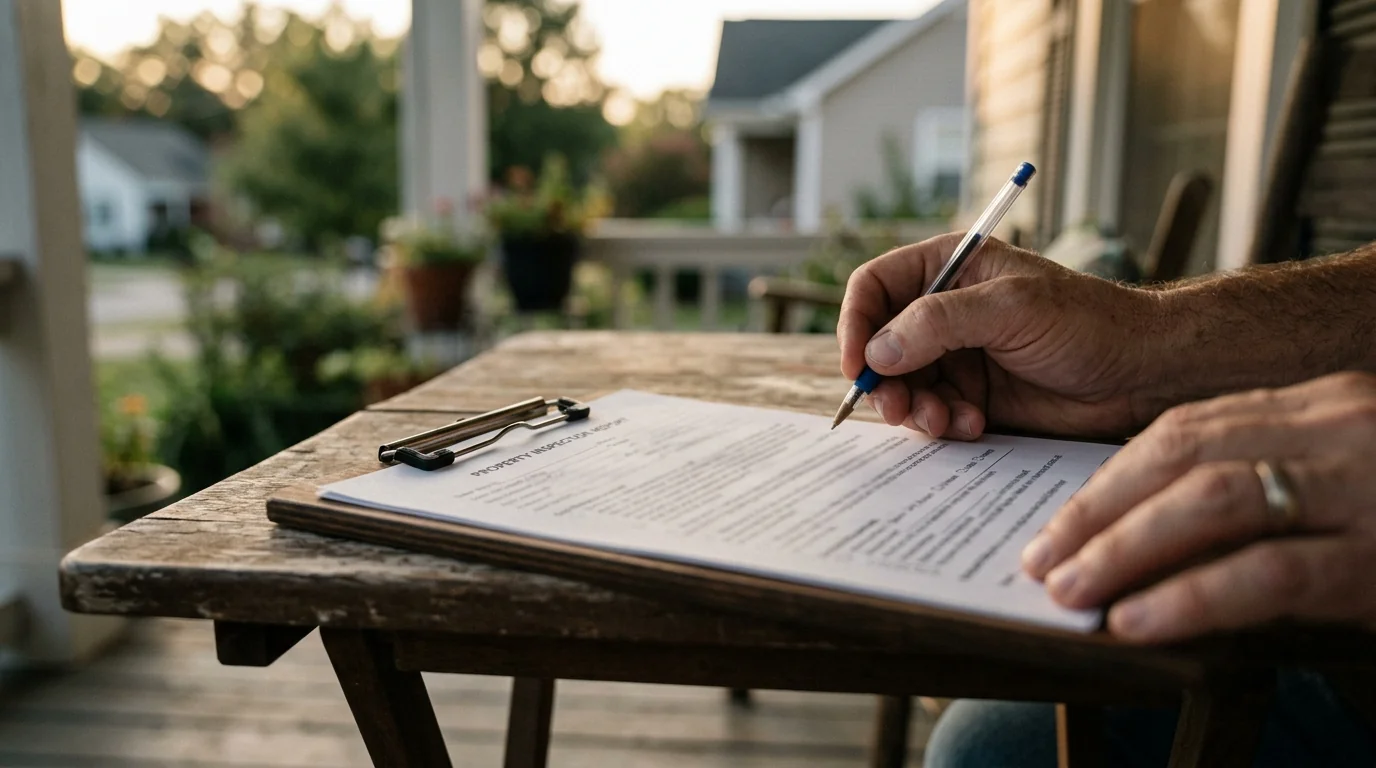
Fill out the short form at /quote/ with your address and a brief description of what you are seeing. Photos help but are not required.
- 2
Free on-site inspection.
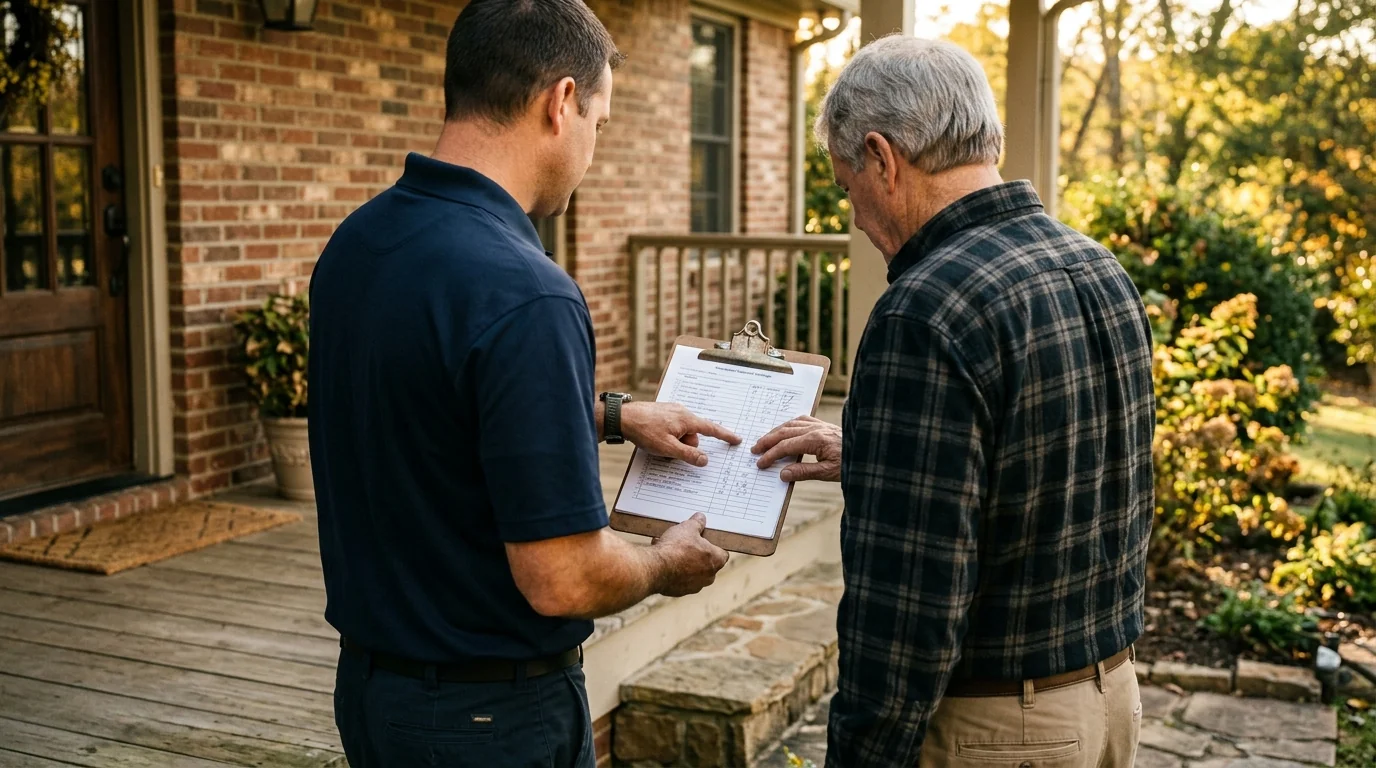
A contractor from the network schedules a visit, usually within 24 hours on business days. They walk the interior and exterior, probe suspect areas, and document findings with photos.
- 3
Written, itemized quote.
You receive a written estimate that breaks out every cost: method, materials, labor, any permits required under Tennessee's statewide building code (TCA 68-120-101), and cleanup. Nothing is buried in a lump sum.
- 4
Repair and warranty.
If you move forward, the contractor schedules work, typically with daily site cleanup. Pier and structural work includes an engineer's letter confirming load capacity. Warranties on most structural repairs are transferable, which protects your home's resale value. Learn what the repair process looks like step by step.
WHY KNOXVILLE IS DIFFERENT
Why local matters here
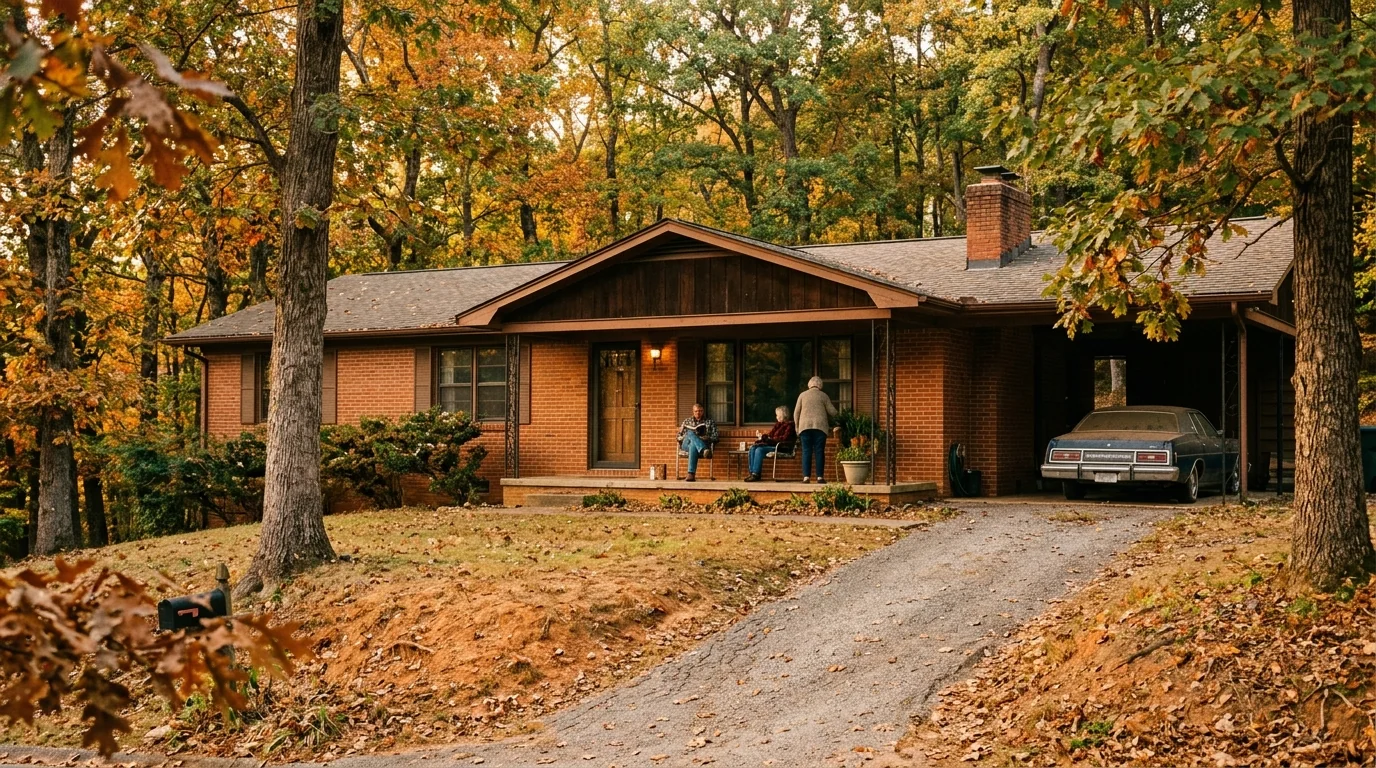
Knoxville sits in the Great Appalachian Valley, roughly halfway between the Great Smoky Mountains and the Cumberland Plateau, with elevations ranging from about 800 feet at the riverfront to over 1,000 feet on the western hilltops. That varied terrain means soil conditions can change significantly from one neighborhood to the next.
The dominant soil issue is expansive clay. Clay absorbs moisture and swells, then dries out and shrinks, repeating that cycle every season. Knoxville receives just under 52 inches of rain annually, with wet springs followed by dry summers. That pattern is almost a recipe for foundation movement. Homes in South Knoxville, Fountain City, and the older neighborhoods inside the city limits are especially prone to settlement because much of the housing stock dates to the 1960s and 1970s, when standards for compaction and drainage were less stringent than today.
Contractors who work here every day know which neighborhoods have chronic drainage problems, which streets tend to have clay-heavy fill, and how local conditions affect which repair method holds up longest. That knowledge does not come from a national call center. Find out whether your address falls in our coverage zone.
WHAT TO EXPECT FROM A REAL QUOTE
Trust signals that separate real repair from a sales visit
Not every inspection ends with a repair recommendation. A trustworthy contractor will tell you when monitoring is the right answer and a repair is not yet warranted.
When a repair is warranted, look for these signals that the quote is legitimate. First, the written estimate should itemize every line. Second, structural pier work should come with an engineer's letter confirming the design load. Third, warranties should spell out exactly what is covered, for how long, and whether coverage transfers to a new owner at resale.
The American Society of Home Inspectors notes that home inspectors are not required to provide engineering analysis or offer opinions on the adequacy of structural systems. That means a standard home inspection report is not a substitute for a dedicated foundation evaluation by a qualified contractor or structural engineer. If you received a flag on a recent inspection report, a free foundation-specific assessment is the logical next step.
Understand the warning signs that point to real structural problems.
By symptom
Common issues we handle
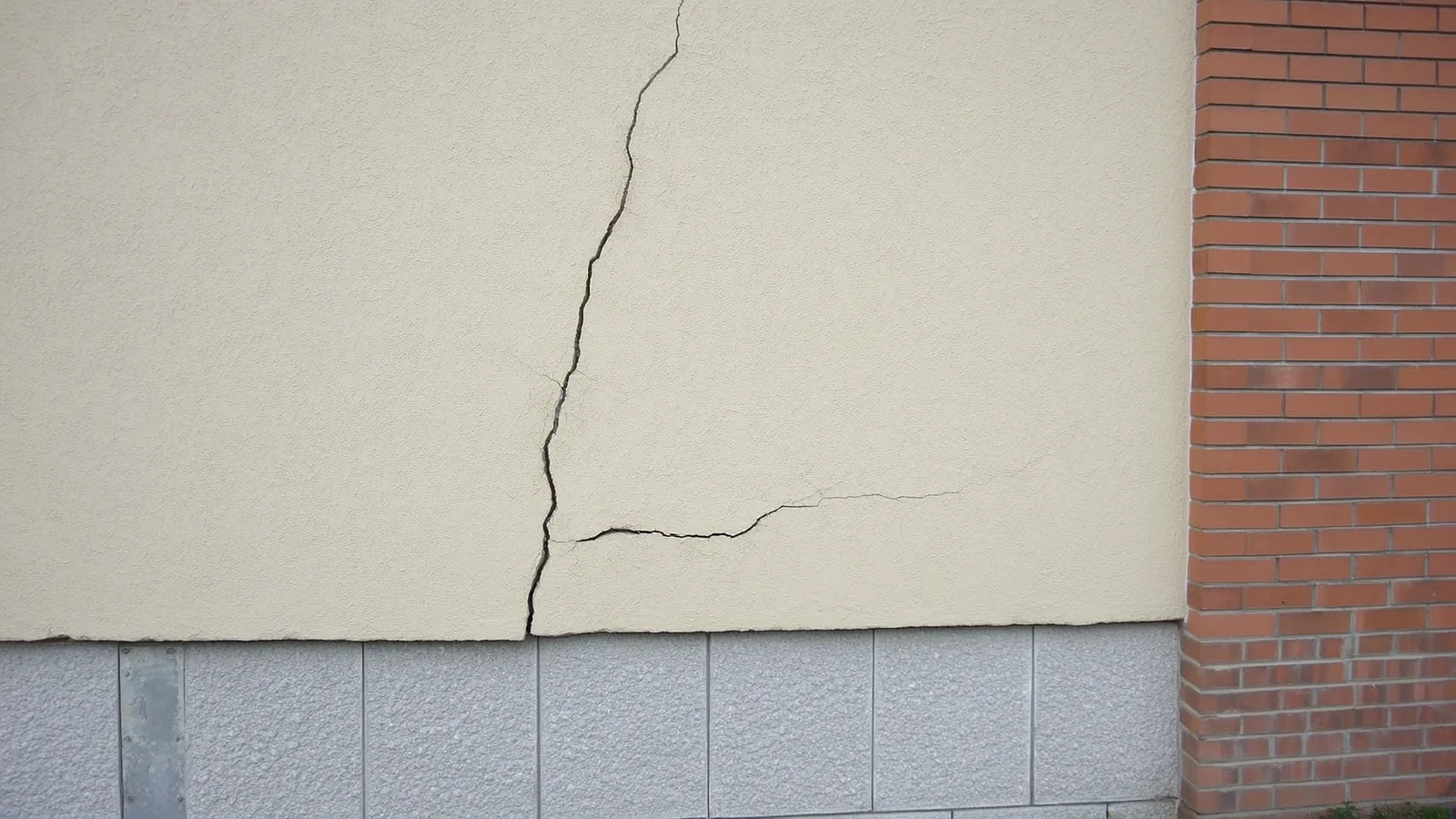
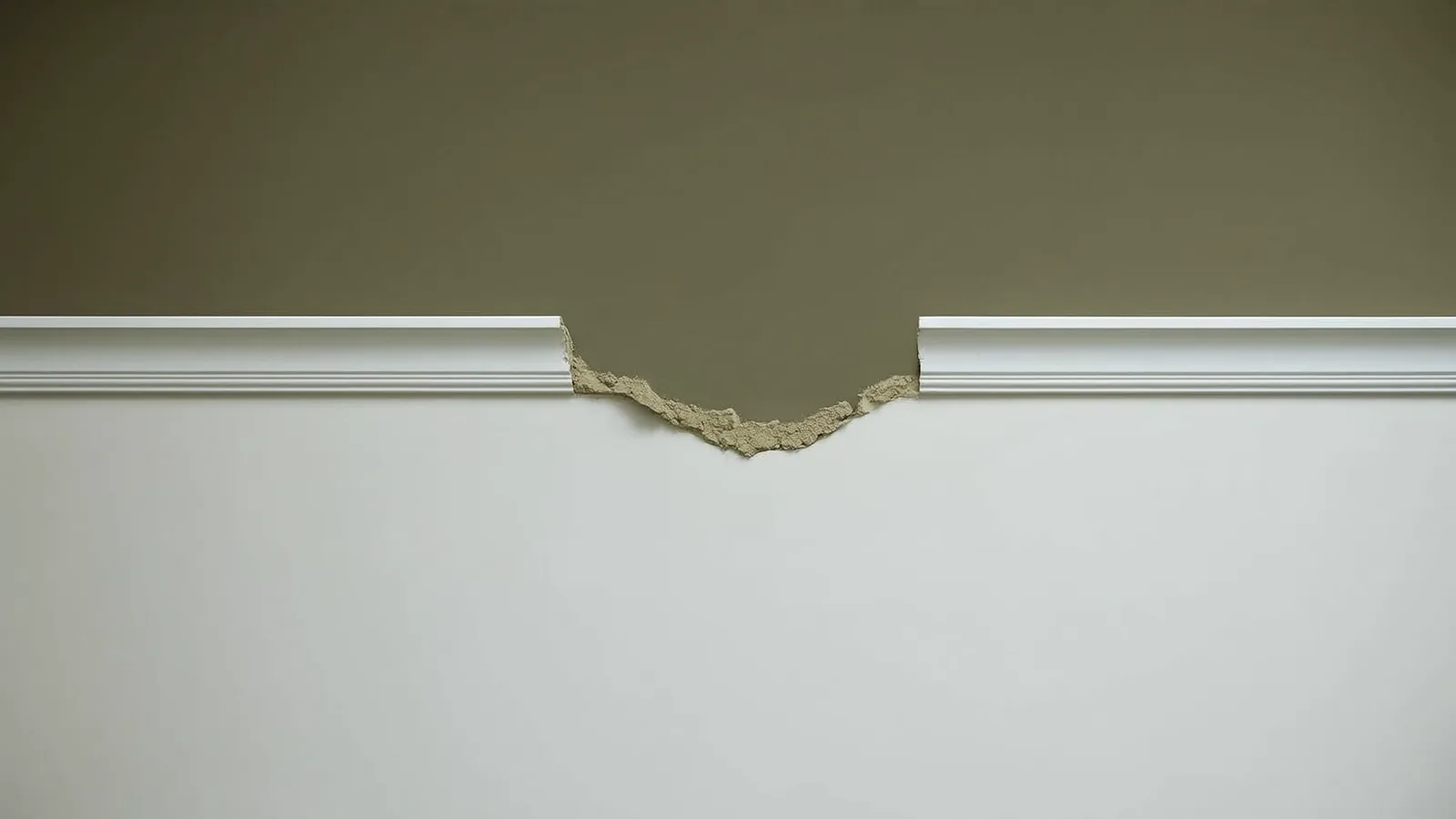
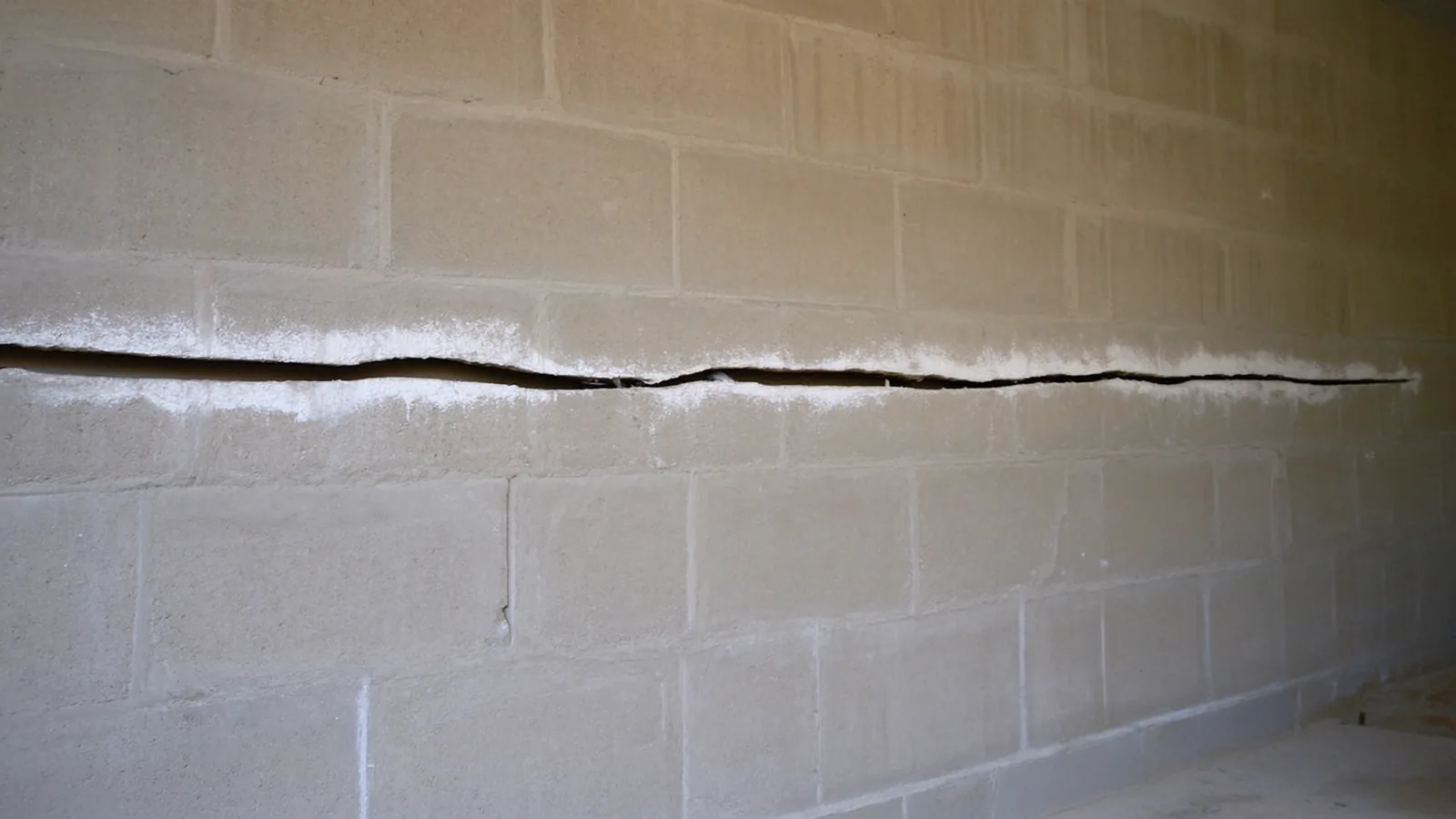
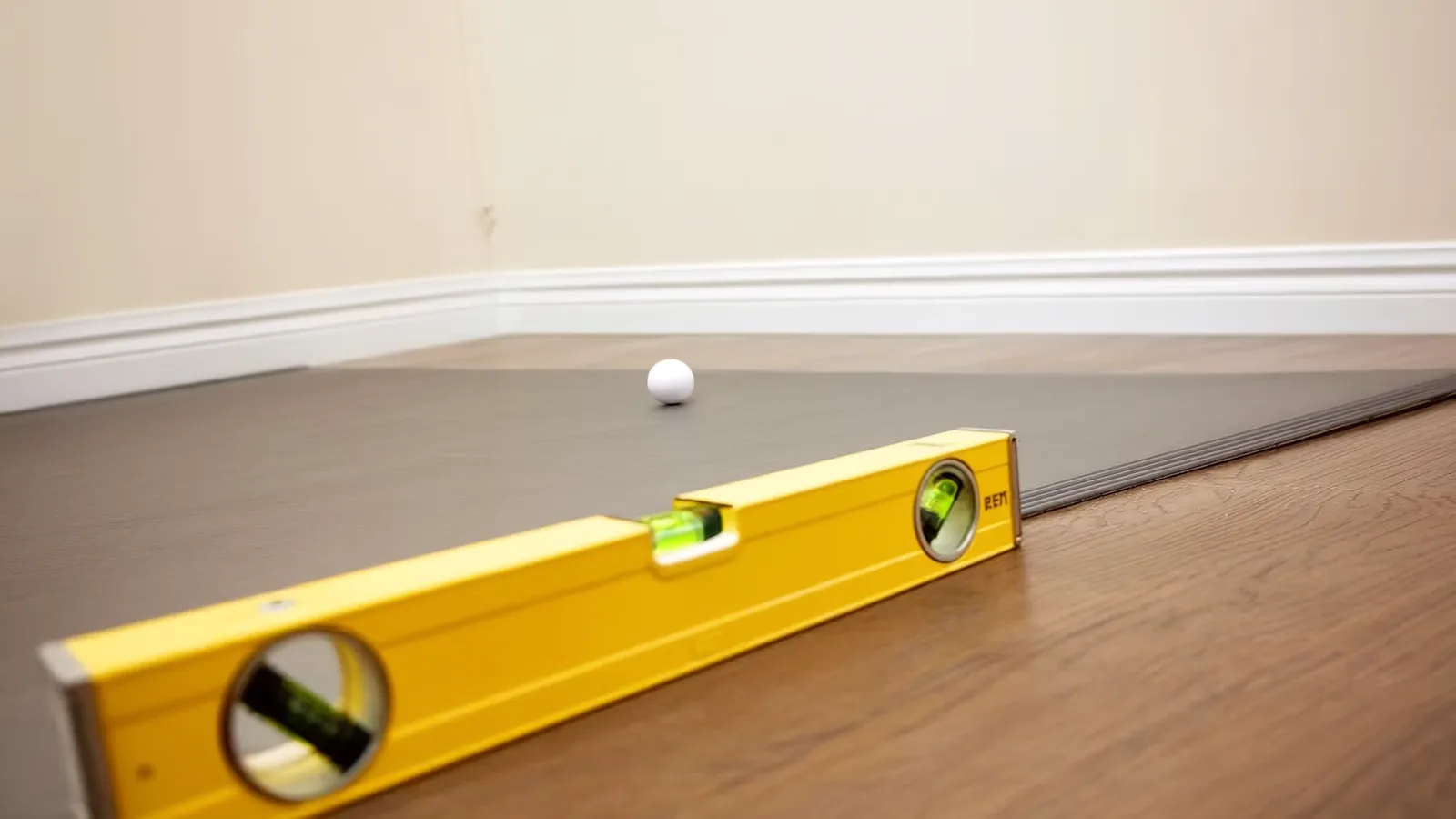
Not sure where to start? Pick what you're seeing. Each page walks through the cause and the right next step.
Coverage
Service area
We repair foundations across Knoxville and the surrounding Knox County communities. Same-day inspections in most areas.
See where your foundation actually stands.
A free, written, itemized inspection within 24 hours, no pressure, no scare tactics.
FAQ
Foundation repair questions, answered
How much does foundation repair cost in Knoxville?
Cost depends on the type and extent of damage. According to Bob Vila, national averages run from $2,176 to $7,833, with a midpoint around $5,001. Pier installation ranges from $1,000 to $3,000 per pier. Crack repairs typically cost $250 to $800 each. A free written inspection is the only reliable way to price your specific situation.
What does a free foundation inspection actually include?
A qualified contractor walks the full interior and exterior of your home, checks for differential settlement, documents cracks and unlevel areas with photos, and identifies the likely cause of movement. You receive a written summary and an itemized repair estimate at no cost and with no obligation to proceed.
Does homeowners insurance cover foundation repair?
Standard homeowners policies generally exclude foundation damage caused by soil movement, settling, or drainage. The Insurance Information Institute confirms that a standard policy will not pay for damage caused by a flood, earthquake, or routine wear and tear. Coverage may apply only if a sudden, covered peril directly caused the damage.
How long do foundation repairs last?
Properly installed steel piers or helical piers are designed for decades of service. Most structural warranties in this market run 25 years and are transferable to a new owner. Longevity depends on the repair method, soil conditions at your address, and whether any drainage issues contributing to movement are corrected at the same time.
What are the first signs of foundation trouble in a Knoxville home?
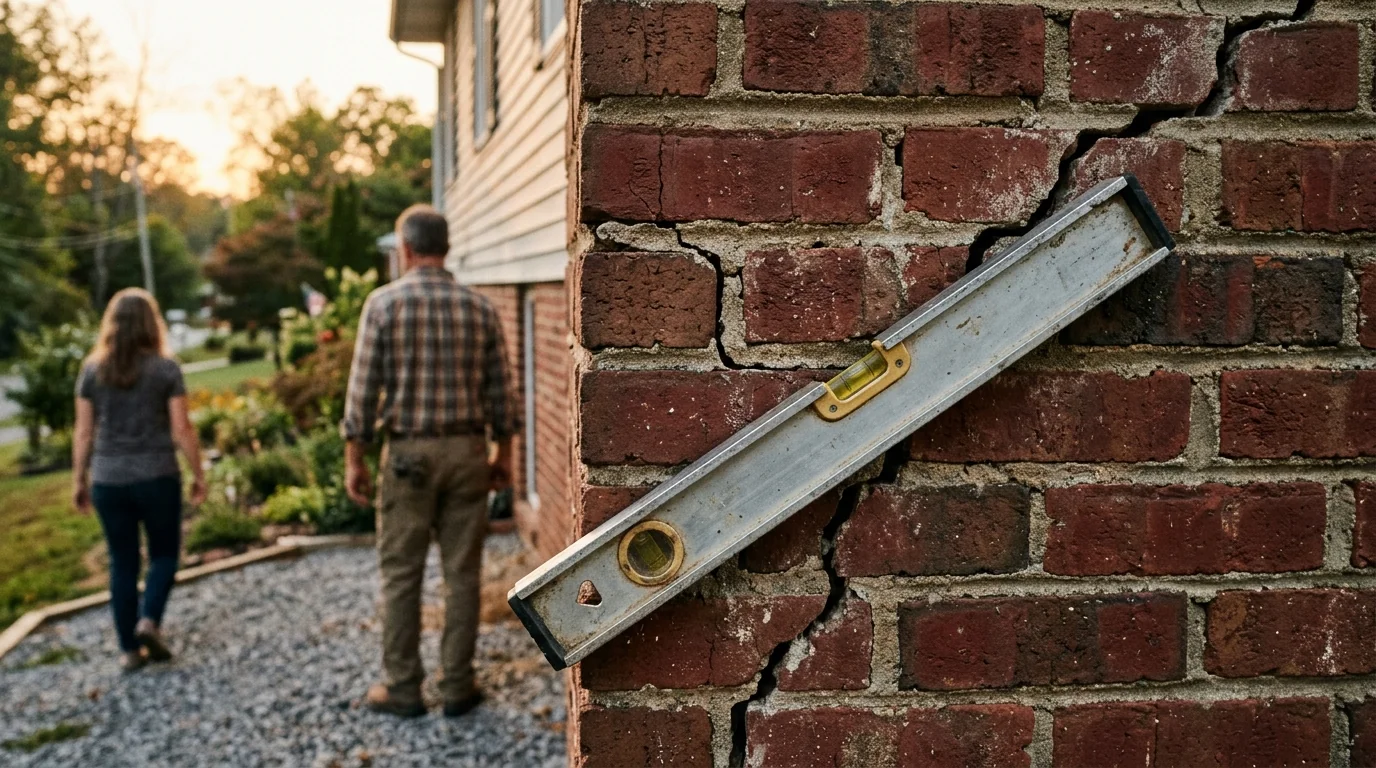
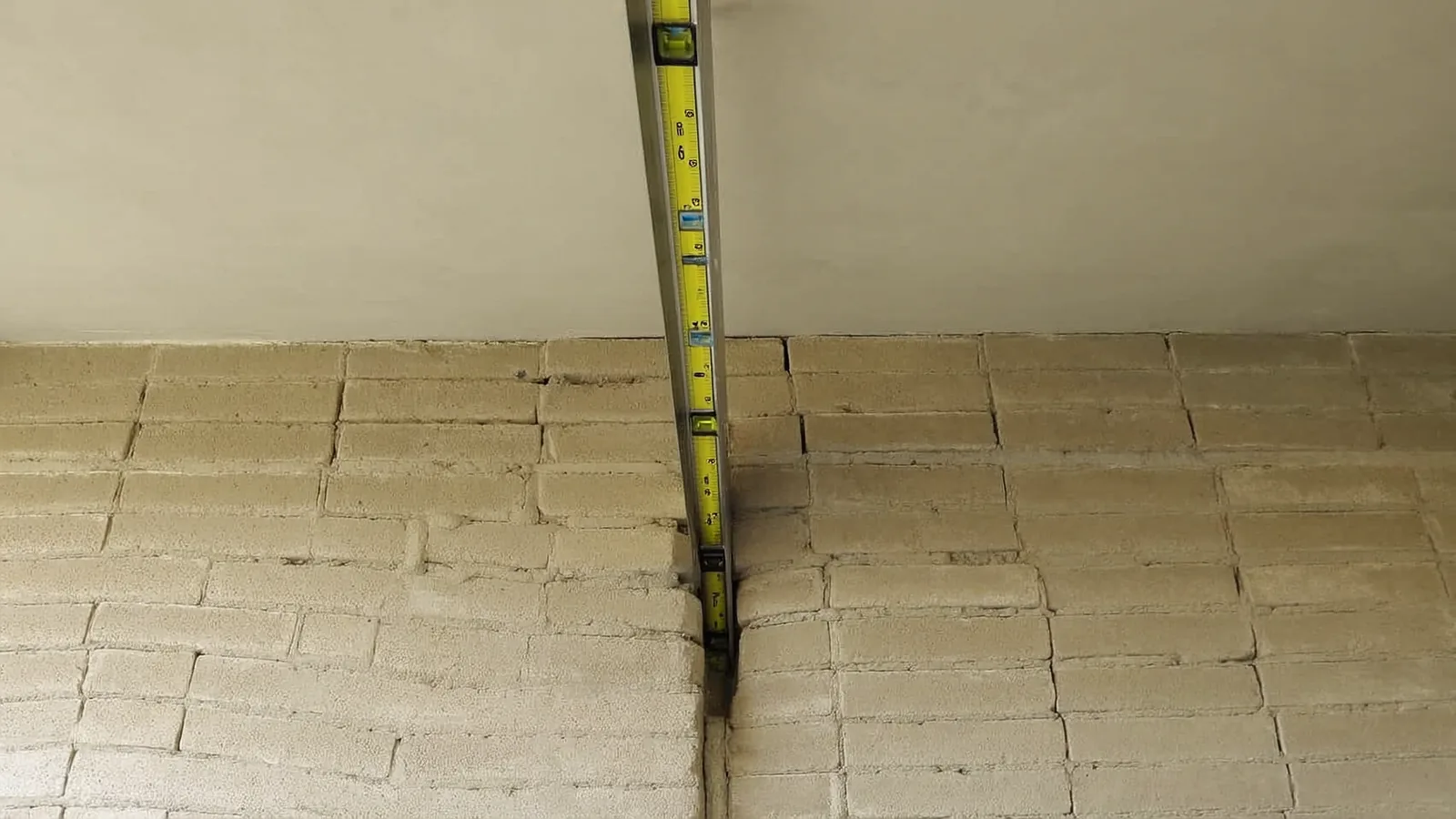
Common early signs include doors or windows that stick or no longer close squarely, diagonal cracks at door and window corners, cracks in brick veneer, gaps between walls and ceilings, and floors that feel soft or slope noticeably. Knoxville's expansive clay soil means these signs often develop gradually over one or more seasonal cycles.
Do I need a permit for foundation repair in Tennessee?
Structural repairs, including pier installation and underpinning, typically require a building permit under Tennessee statewide code (TCA 68-120-101). Your contractor should pull any required permits before work begins. The written quote you receive should identify permit costs as a separate line item so there are no surprises at closeout.
Which Knoxville neighborhoods does the service area cover?
The network covers the Knoxville metro broadly, including South Knoxville, Fountain City, West Hills, Farragut, Powell, Maryville, Oak Ridge, and surrounding communities. If you are unsure whether your address qualifies, the quickest check is the service area page, which lists covered ZIP codes.
What causes foundation problems in Knoxville homes?
Knoxville sits in the Great Appalachian Valley with elevations ranging from about 800 feet near the riverfront to over 1,000 feet on western hilltops. That terrain, combined with expansive clay soils common across East Tennessee, means foundations face constant stress from soil that swells when wet and shrinks when dry, cycling with every rainy spring and dry summer.
How do I know if my foundation problem is serious?
Minor hairline cracks in mortar joints or drywall near door frames are common in older homes and may need only monitoring. Horizontal cracks in basement or crawl space walls, doors or windows that stick seasonally, floors that slope visibly, or gaps opening between walls and ceilings are signs the problem may be progressing and warrant a professional evaluation soon.
How long does foundation repair last?
Repair longevity depends on the method and what caused the original movement. Helical and push piers transfer load to stable soil or bedrock and are designed to be permanent. Surface-level crack injections address symptoms and may need re-evaluation if underlying soil movement continues. Reputable contractors provide written warranties covering both materials and workmanship, and many warranties transfer to new owners.
Get a clear answer within 24 hours.
Tell us what you're seeing and we'll line up a free, no-obligation inspection.